difference vs disabilities
Learning differences, such as dyslexia, ADHD, and other neurodiverse traits, are often misunderstood. These differences do not define someone's ability to succeed; they simply mean a person learns in a unique way. Instead of viewing them as disabilities, it's important to recognize that with the right support and approach, these learners can thrive just like anyone else.

“Different minds don't mean less capable minds. Let's celebrate learning
differences, not label them as disabilities.”
Dyslexia
A language-based learning difference that affects reading, spelling, and writing.
ADHD
Challenges with focus and attention, but often paired with high creativity.
Dysgraphia
Difficulty with writing, but it doesn’t affect the ability to express ideas.
Dyscalculia
Struggles with numbers and mathematical concepts, but strong in other areas like language or creativity.
Many people with learning differences have extraordinary strengths in areas like problem-solving, creativity, or big-picture thinking.
With inclusive teaching, learners with differences can grasp complex ideas just as well as their peers.
Celebrating the variety in learning styles helps create a richer, more inclusive educational environment.
Supporting students with learning differences requires a shift in
teaching strategies. Some ways to adapt include:
Tailoring the curriculum to suit individual needs.
Tools like speech-to-text software, audio books, and interactive apps can make learning more accessible.
Allowing students to learn at their own pace and in a way that suits them best.
Struggled in school due to learning difficulties but revolutionize the field of physics.
Learning difference didn’t stop him from becoming a successful entrepreneur.
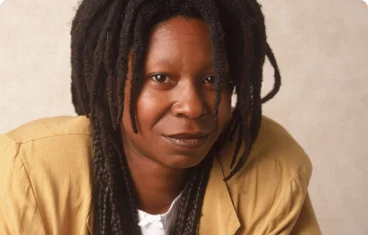
Overcame dyslexia to become an award-winning actress.
Learning differences are not a limitation—they are a reflection of the diverse ways in which the human mind can learn, think, and create. With the right support, every learner has the potential to excel and make their unique mark on the world.
Answers to frequently asked questions
Dyslexia therapy is the systematic delivery of intervention that is explicit, multi-sensory and follows a logical sequence to help students improve their reading, spelling, and comprehension skills. Dyslexia therapy follows the science of reading, which is proven to be the most effective treatment for dyslexia.
If your child is struggling with reading and spelling, you feel they are behind their peers or not reaching their full potential, we can help! Dyslexia therapy can benefit any struggling reader or speller, even without a dyslexia diagnosis.
All of our dyslexia practitioners are certified teachers as well has holding the minimum of Certified Dyslexia Practitioner from Wilson Language Training. This is an additional certification requiring them to have completed a 3-day training, masters level coursework, and a year-long 1:1 supervised practicum.
Most of our students complete the program in about 2.5-3 years. While it is not an overnight fix, students do not tend to need to continue tutoring once they complete the program.
You will receive daily session notes each time your child meets with their teacher to keep you informed of their progress. Additionally, we complete progress monitoring assessments four times throughout the program.
Cart